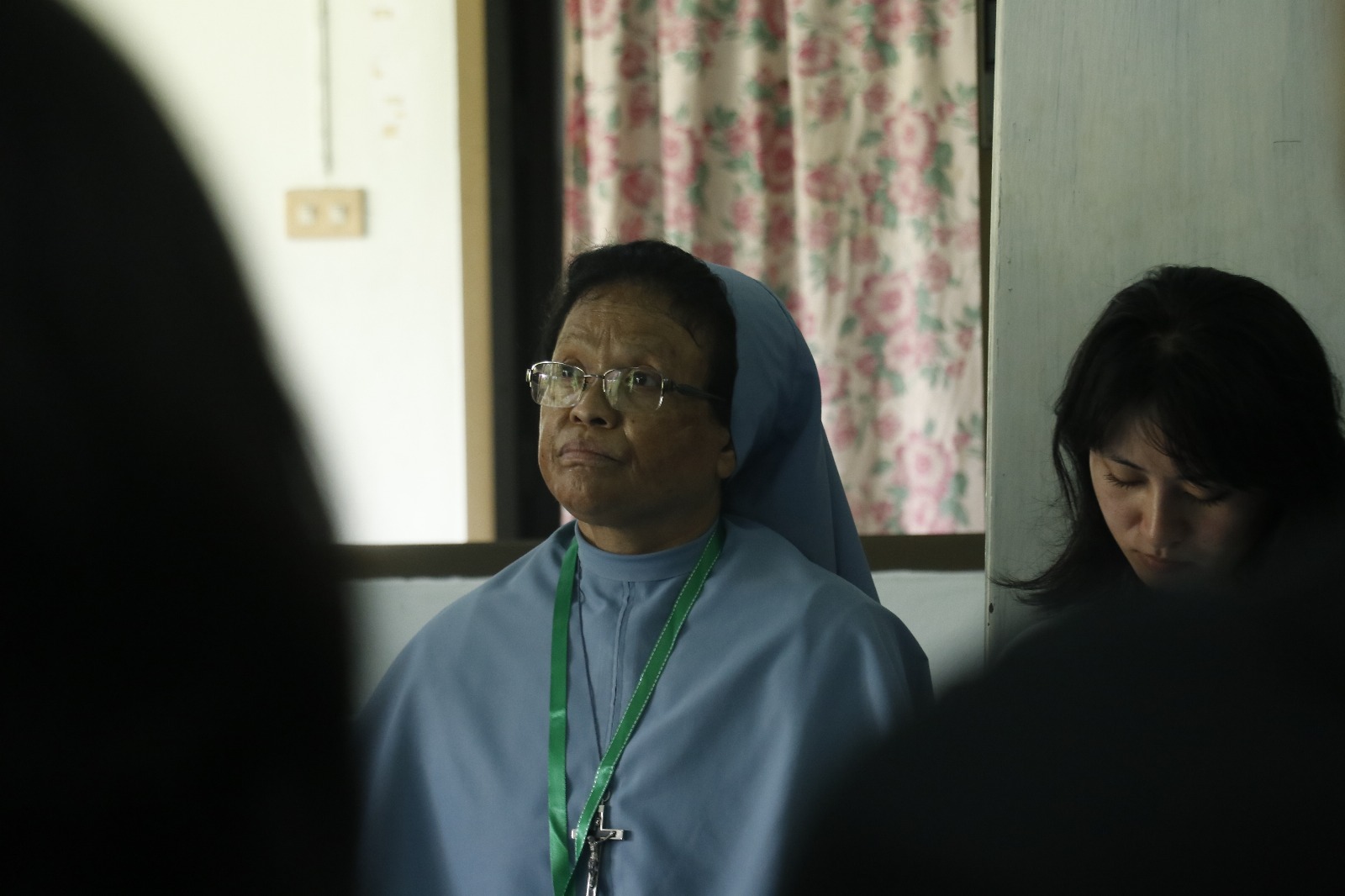
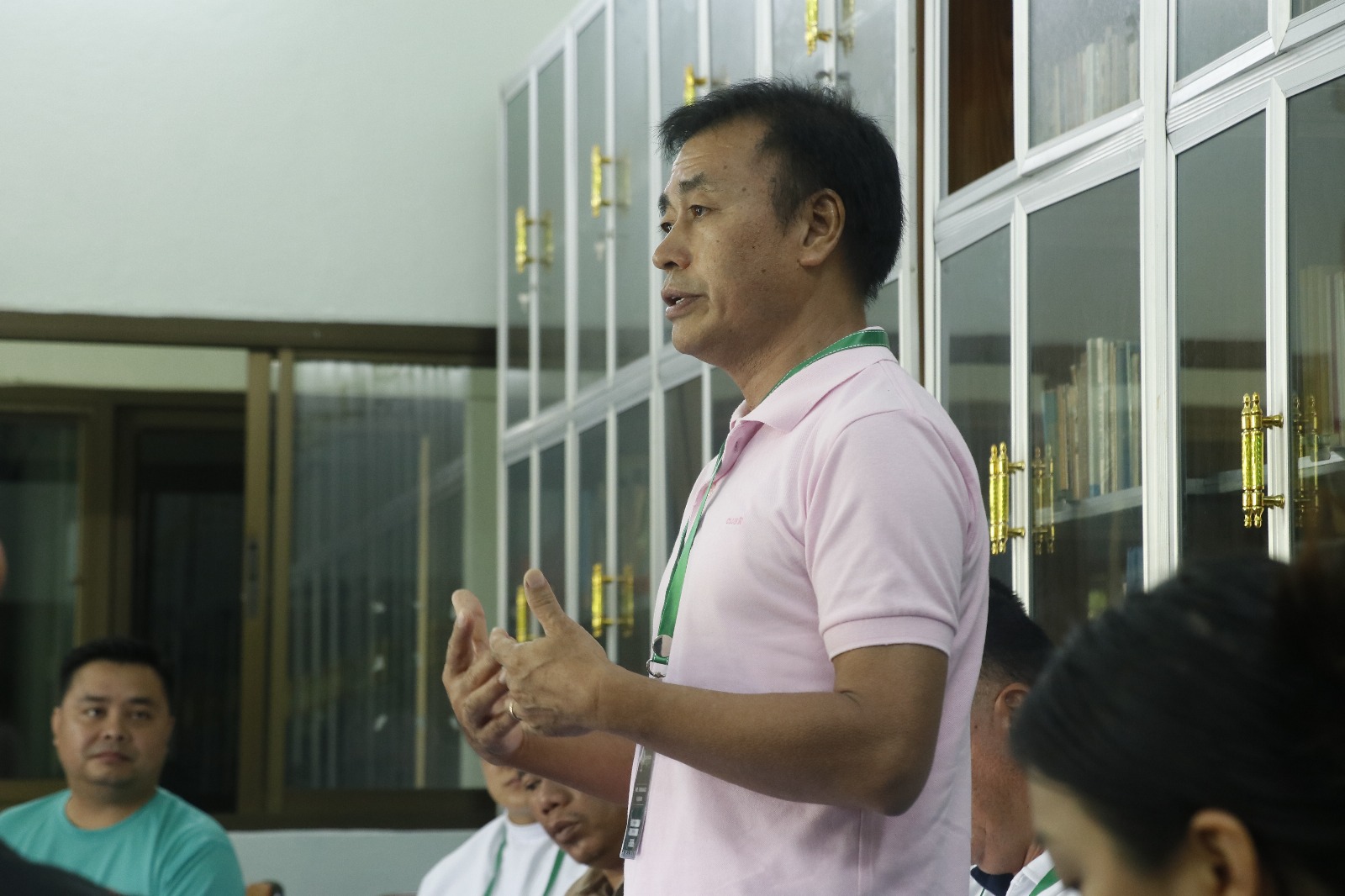
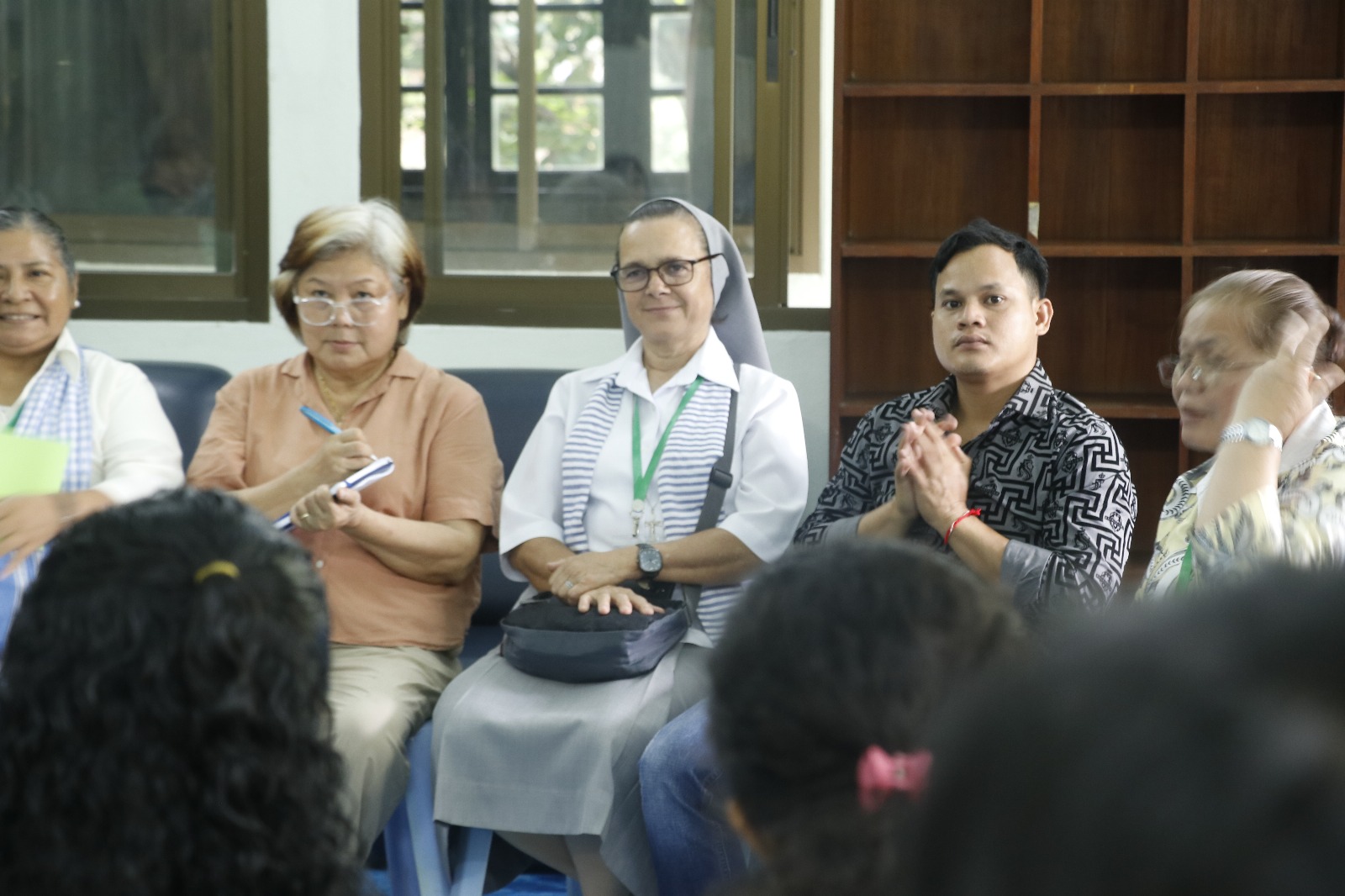
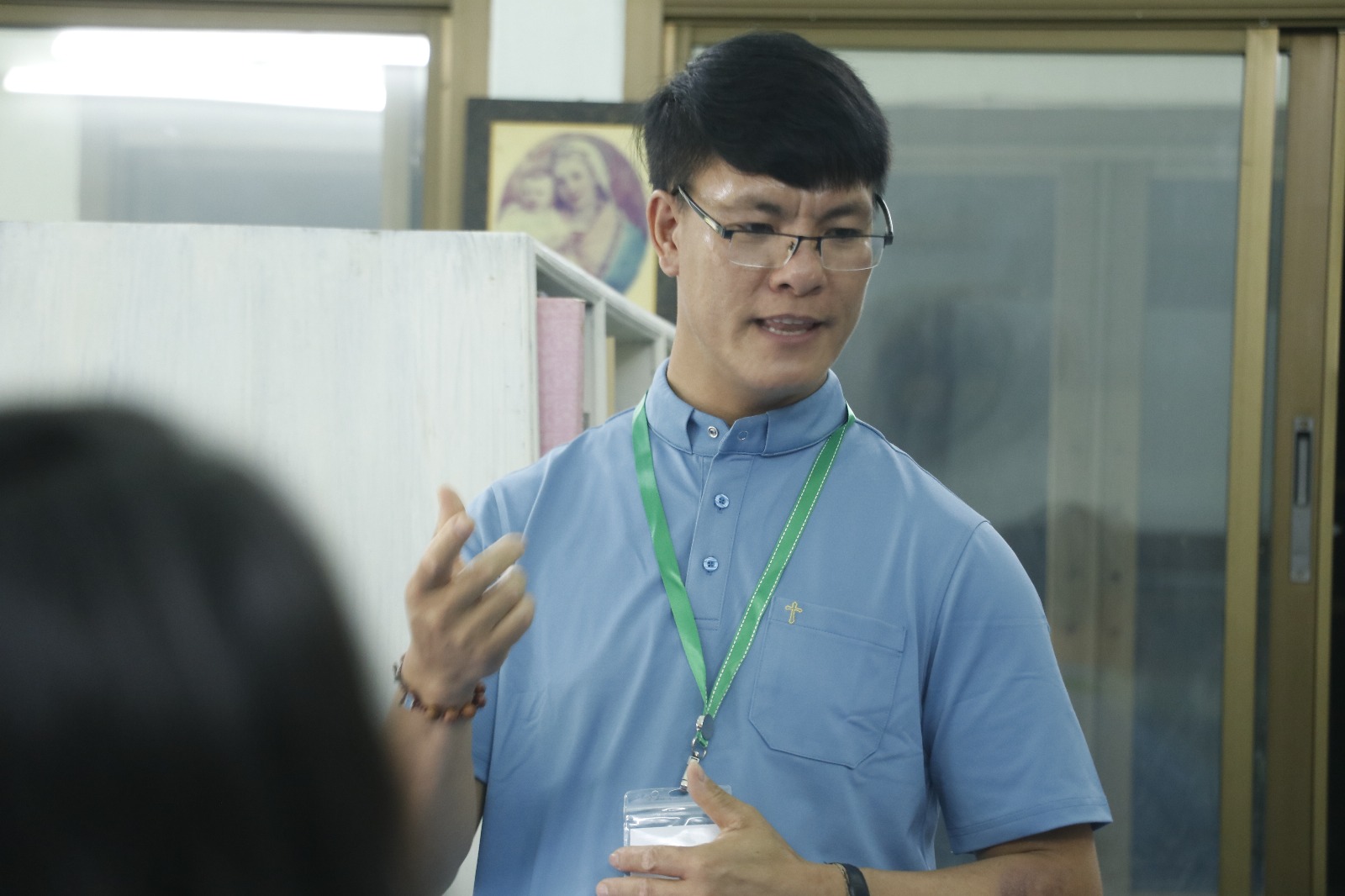
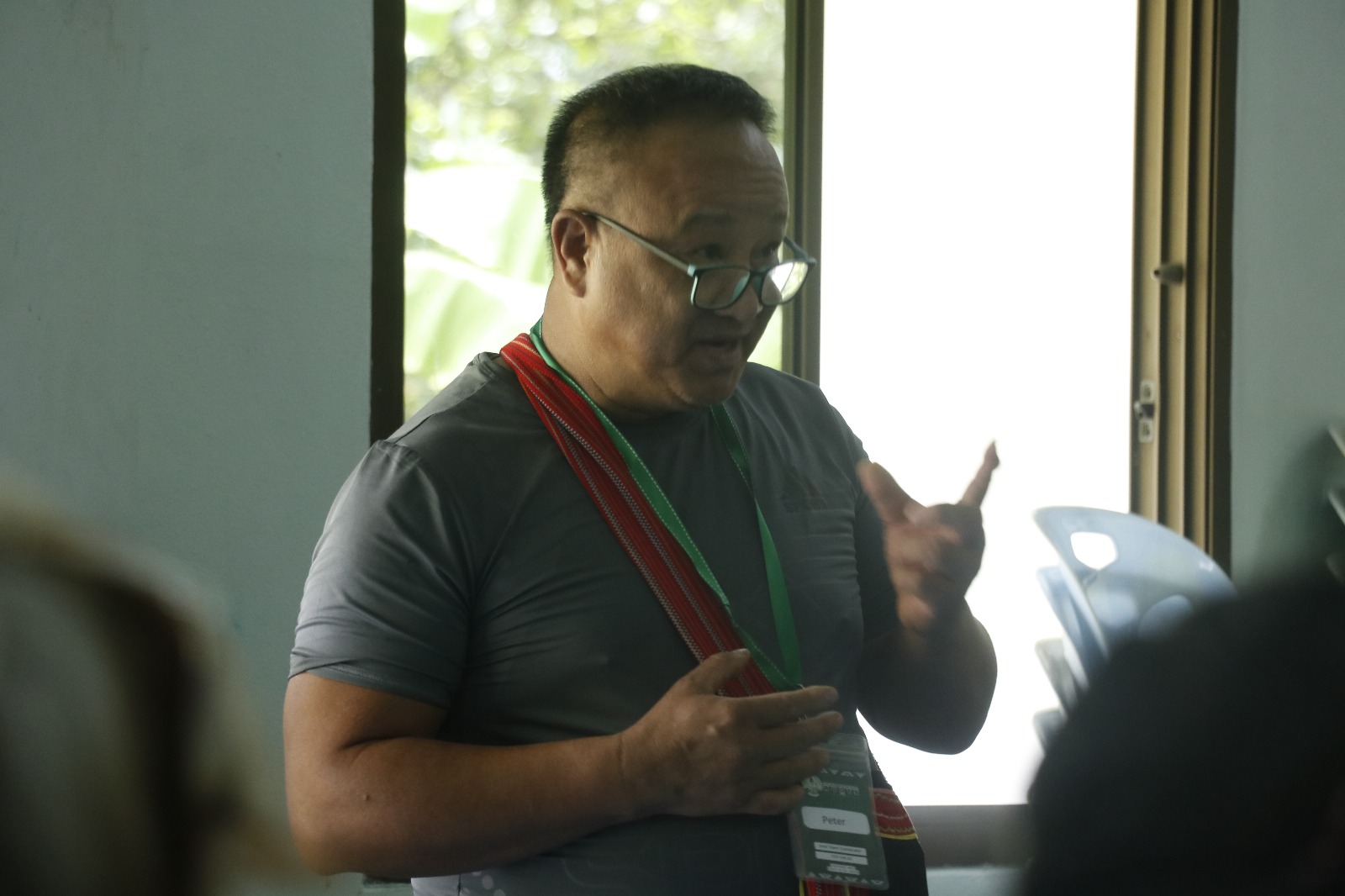
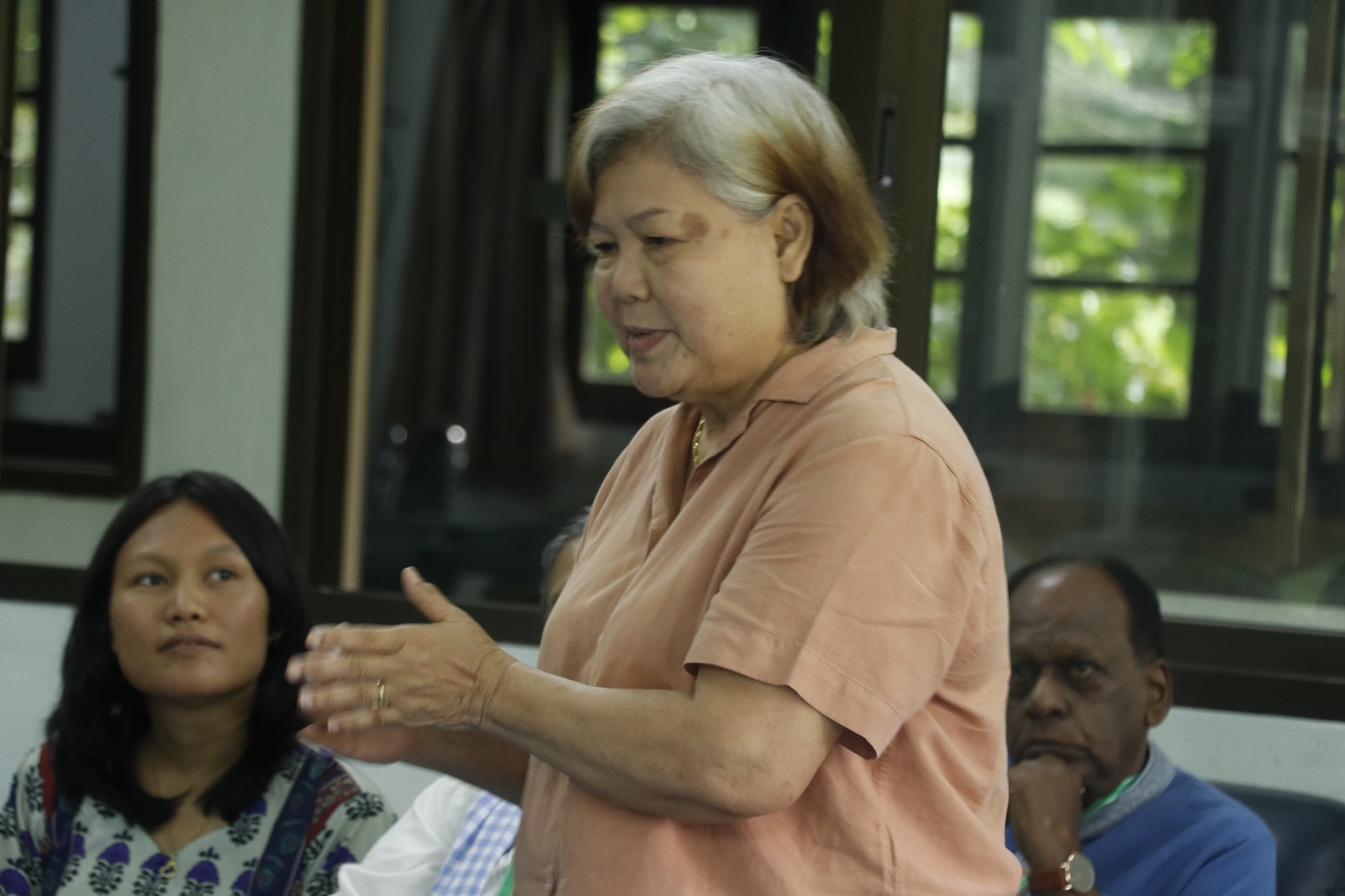
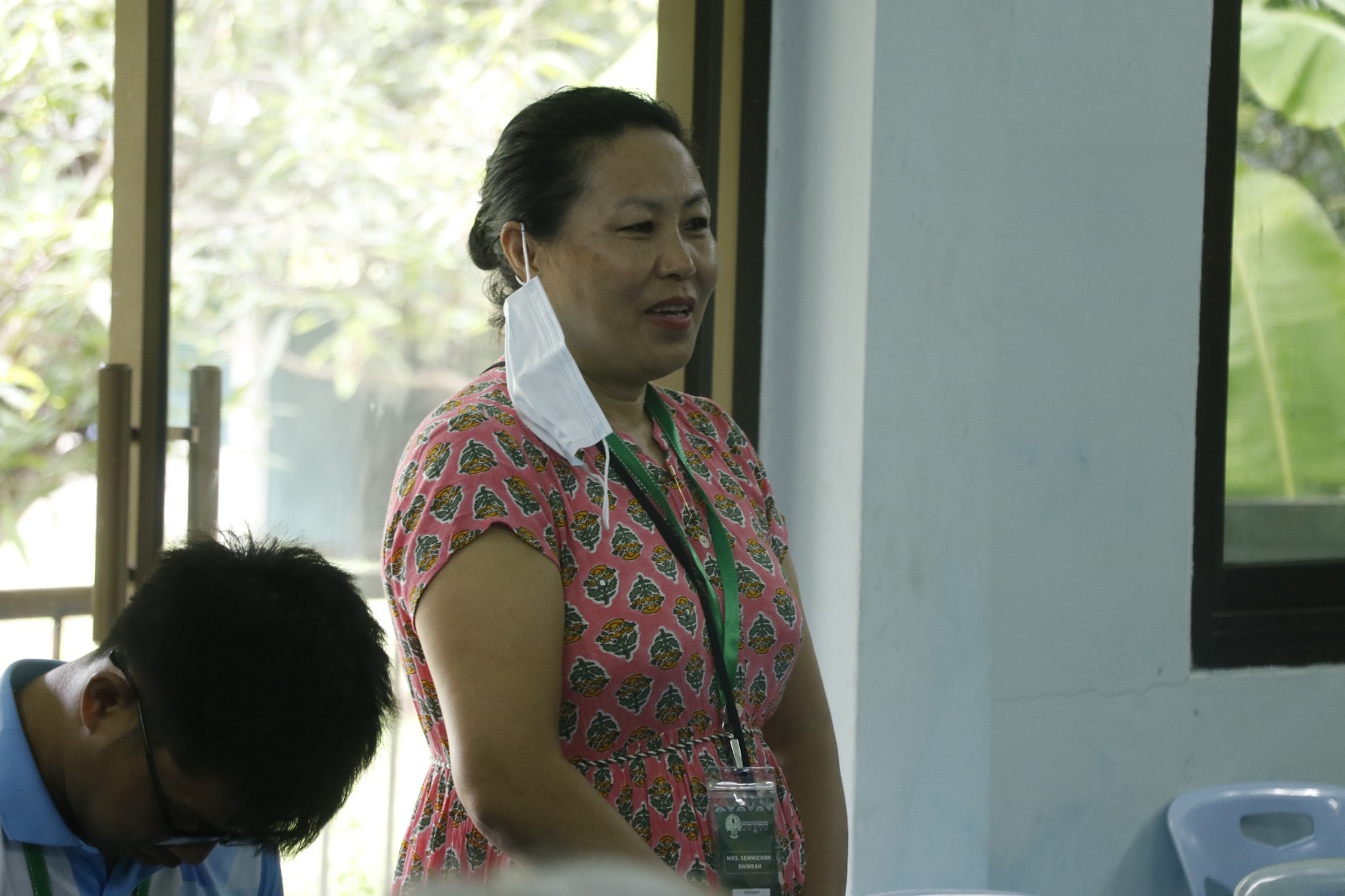
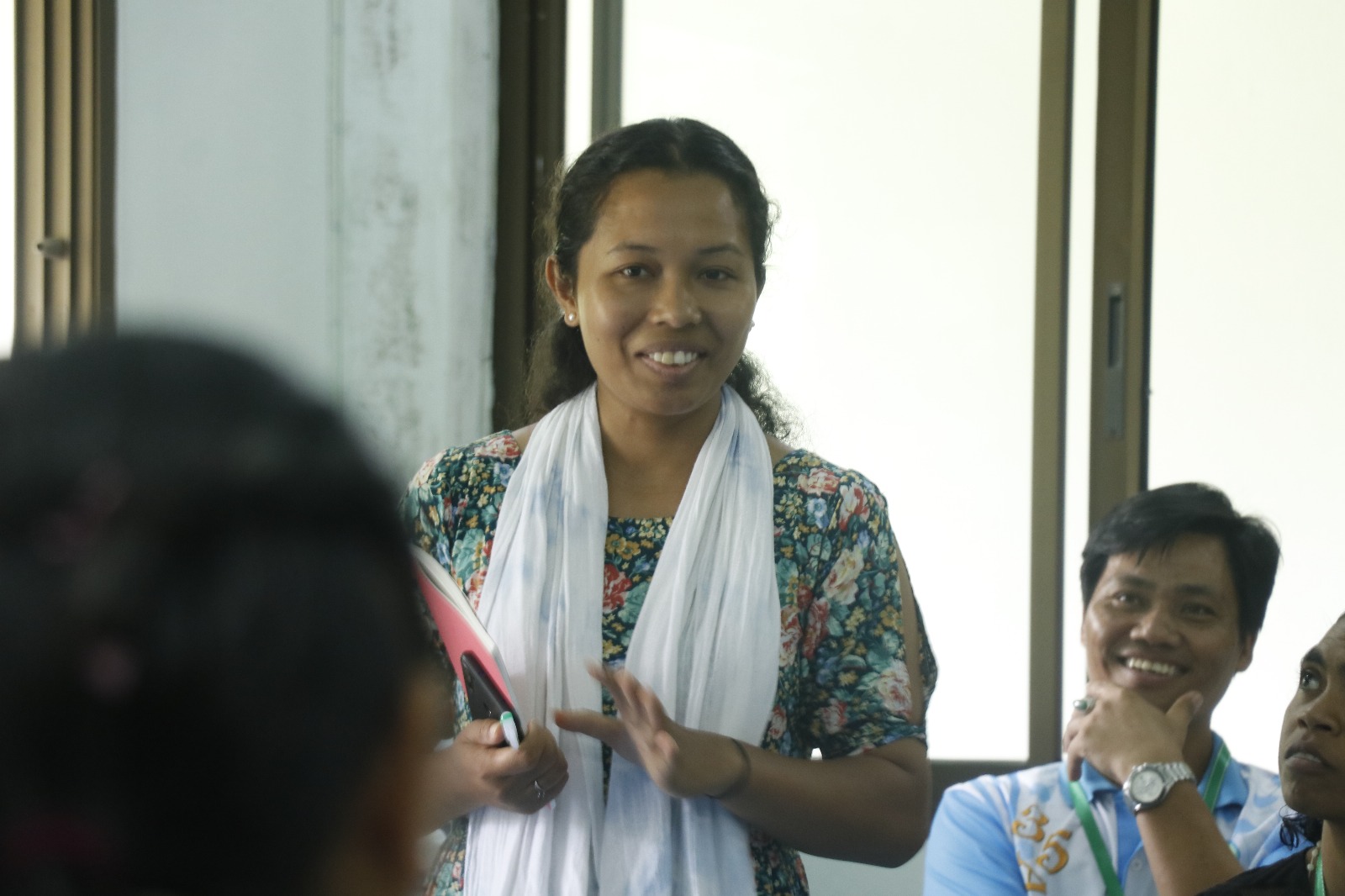
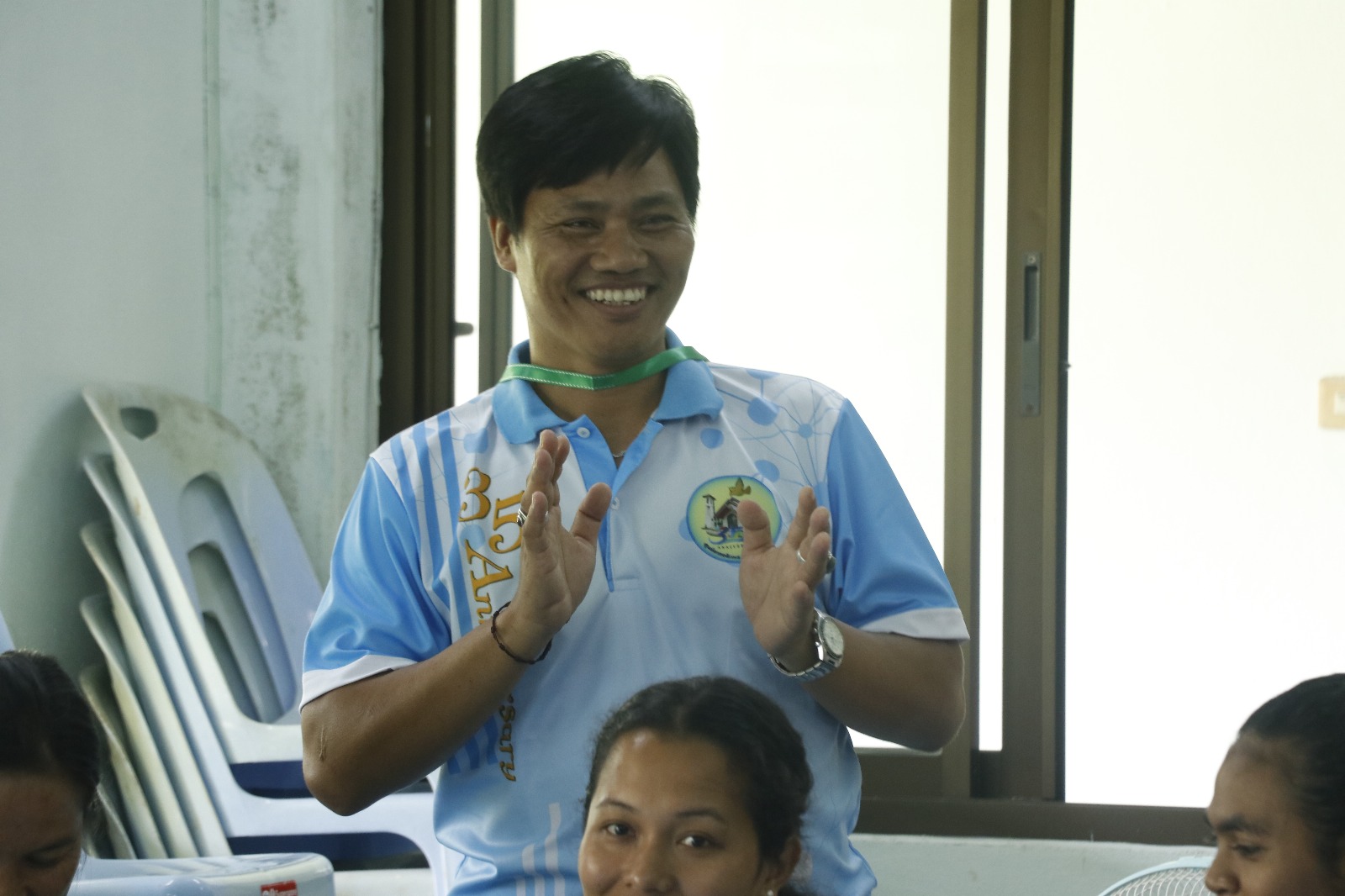
Indigenous Catholic leaders and Church workers from nine Asian countries have completed the second phase of a regional formation program that affirms ancestral wisdom as a foundation for leadership and ecclesial participation.
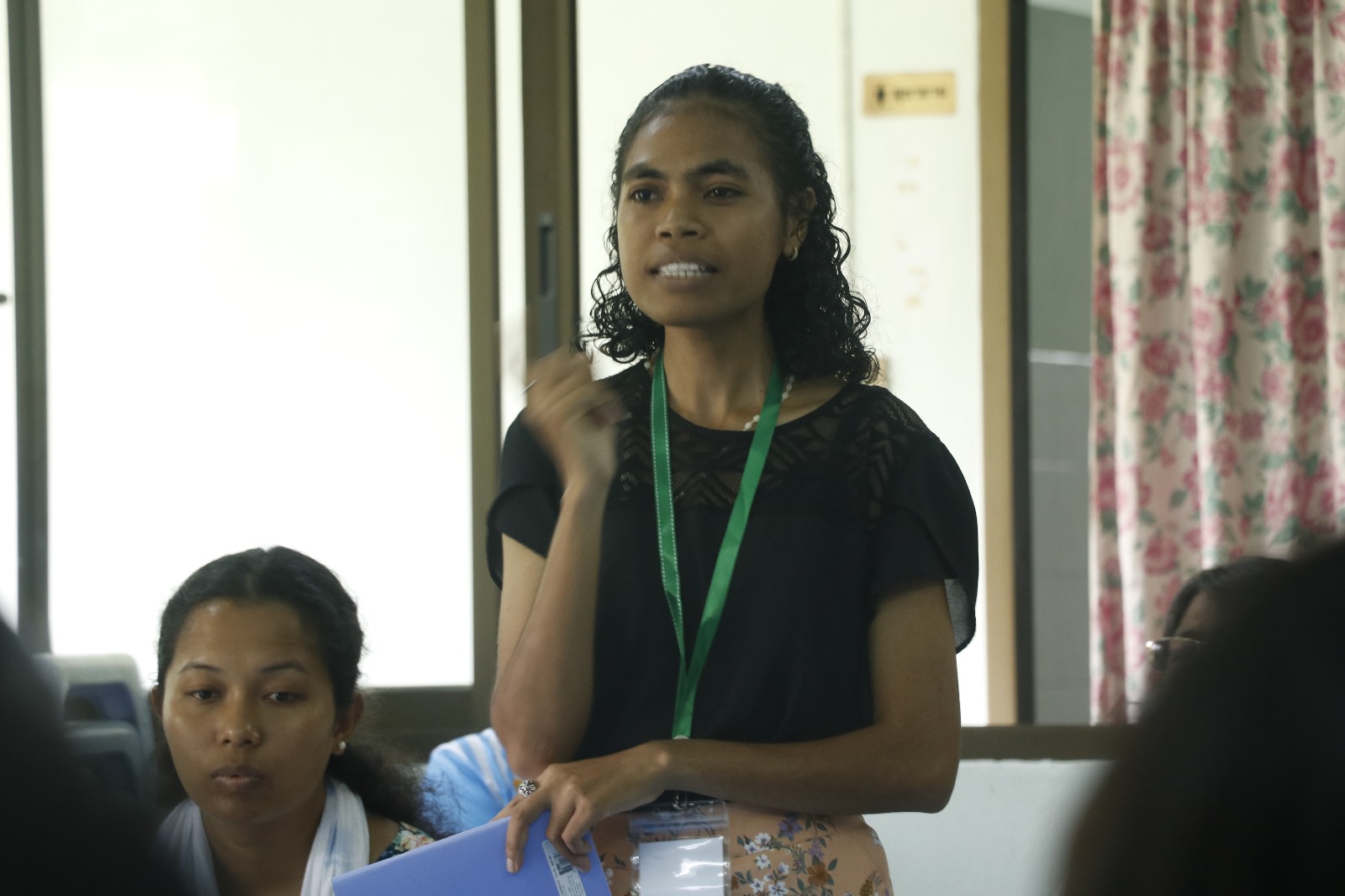
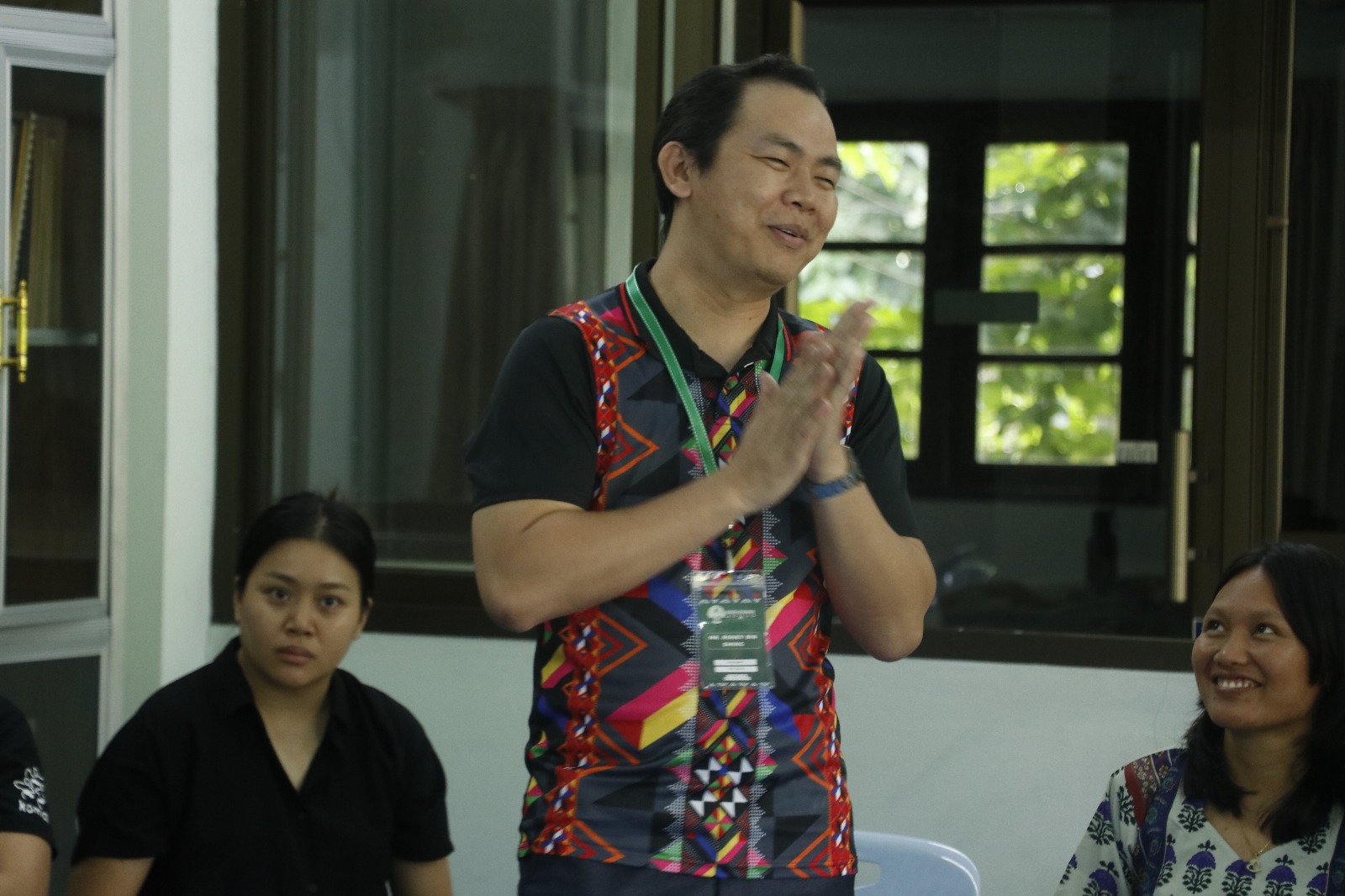
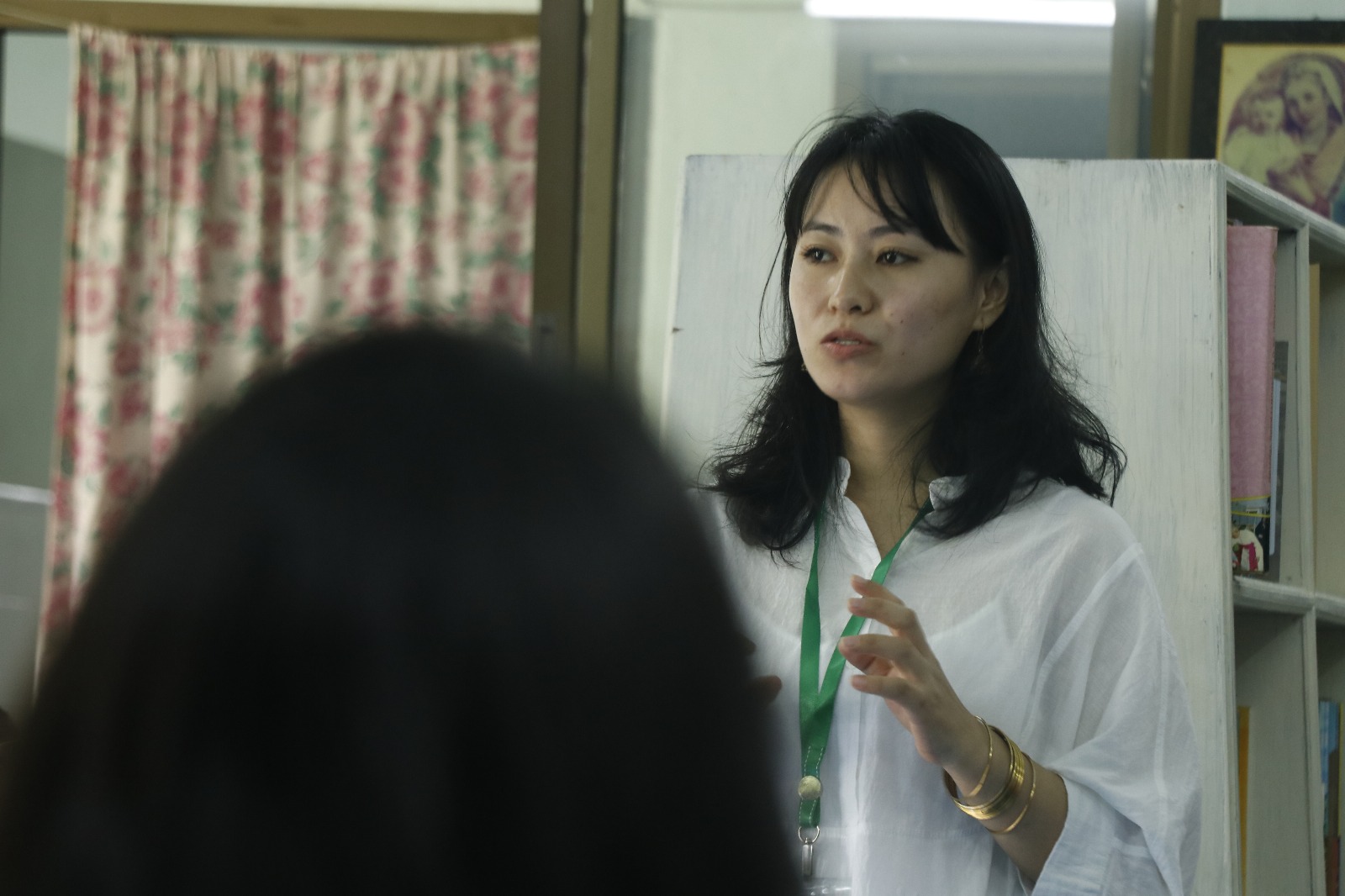
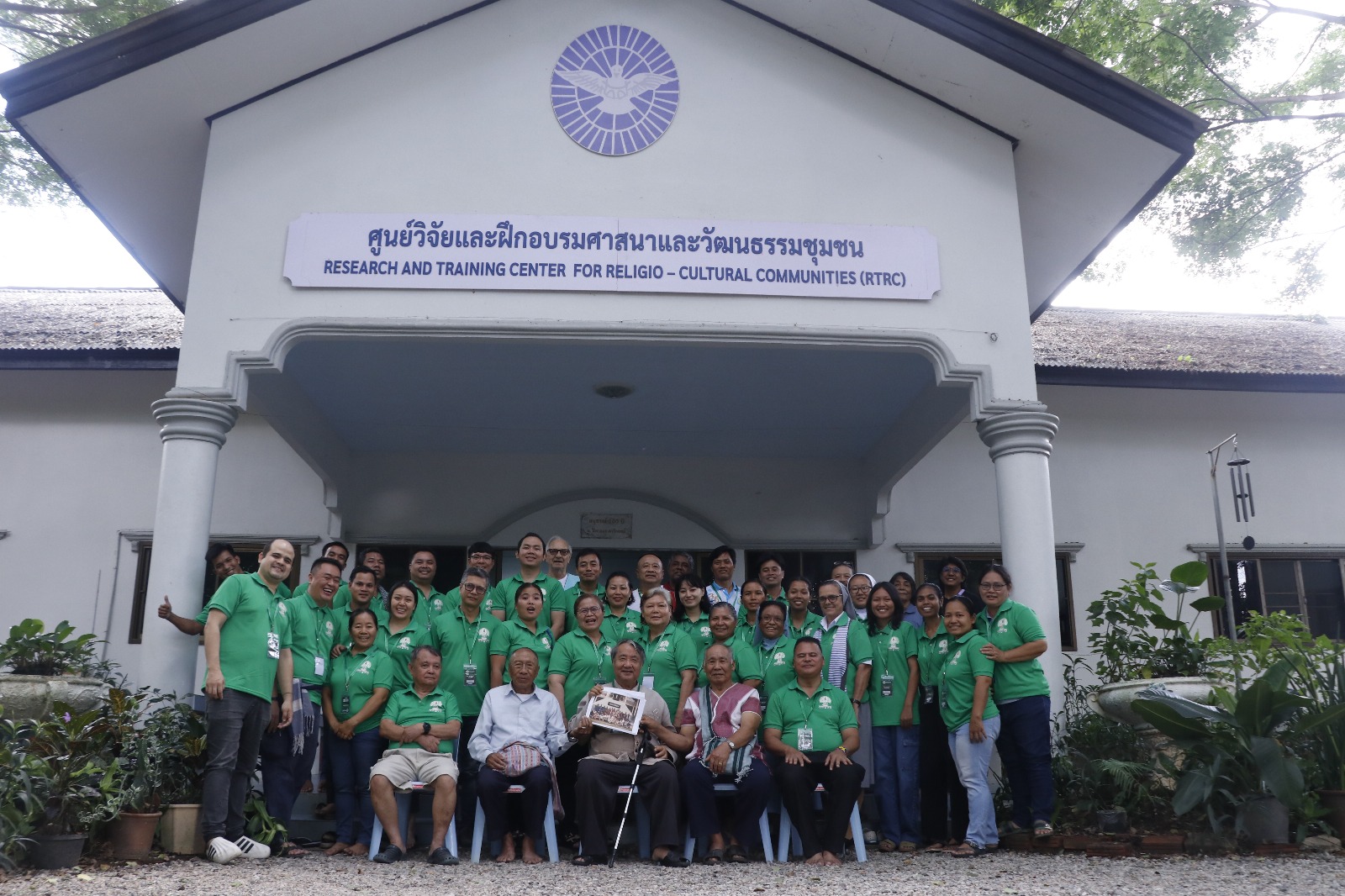
The intensive and immersive week-long Training of Trainers (ToT) on Ancestral Wisdom and Organic Intellectual Leadership programme brought together 36 participants from Bangladesh, Cambodia, India, Laos, Malaysia, Thailand, Timor-Leste, Vietnam, and the Philippines.
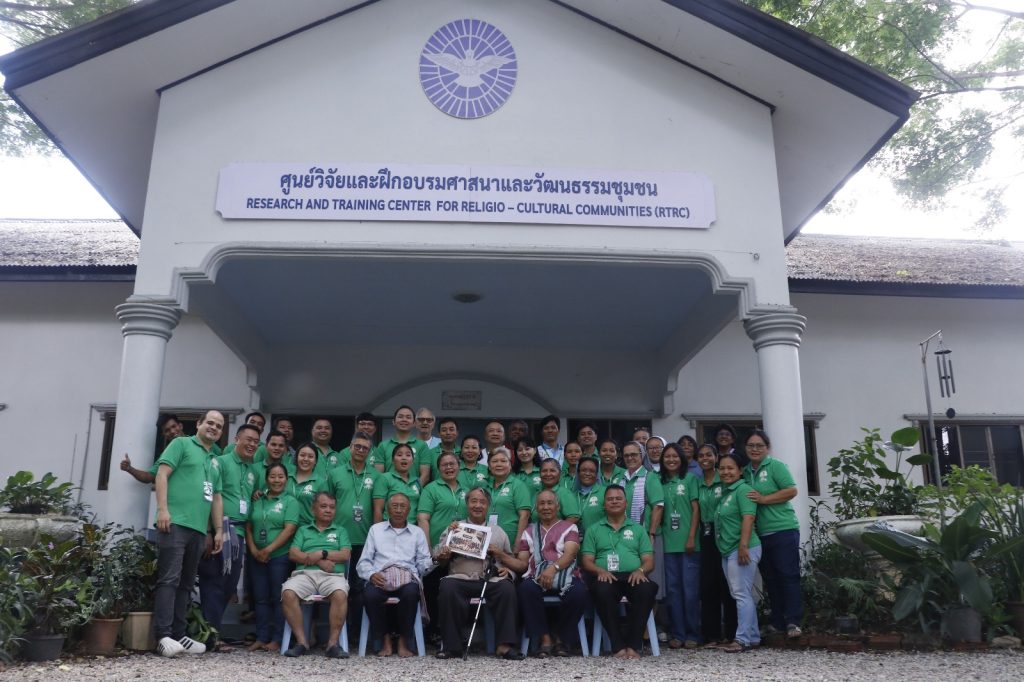
The in-person phase was held at the Research and Training Centre for Religio-Cultural Community (RTRC) in Chiang Mai under the guidance of long-time Indigenous rights advocate Fr. Niphot Thianwiharn.
Organized by ROOTS – the Catholic Network of Indigenous Peoples of Asia – the program is rooted in a theological and pastoral approach that resonates with Laudato Si’’s call to “listen to the cry of the earth and the cry of the poor,” and the Sensus Fidei in the Life of the Church’s affirmation of the faithful’s lived wisdom as a source of discernment and truth in the Church.
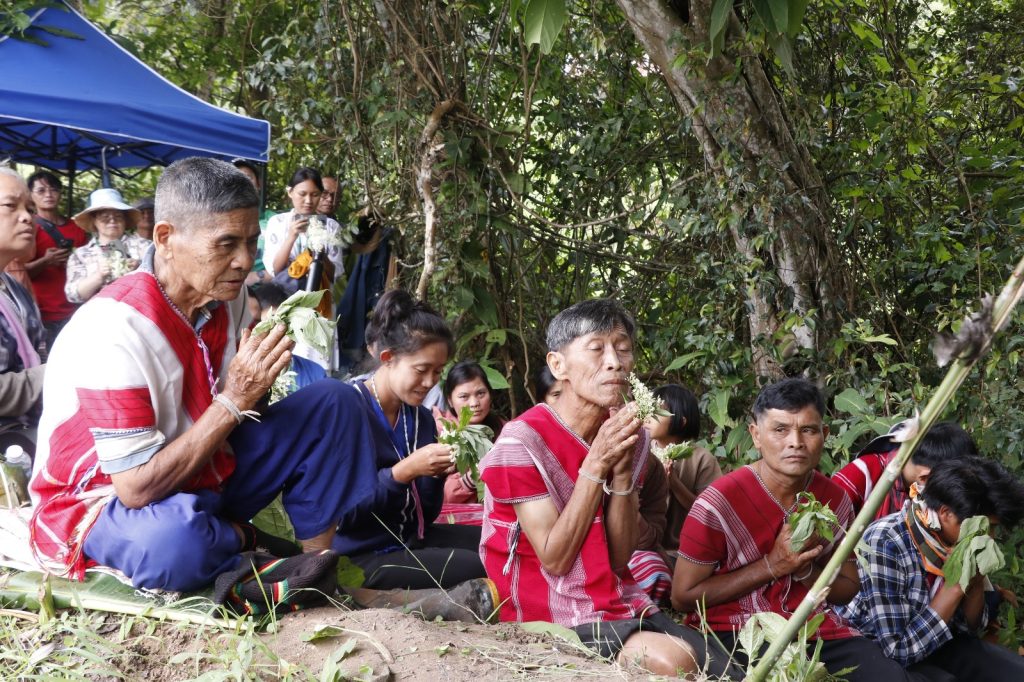
The ToT seeks to equip Indigenous leaders to become “organic intellectuals” grounded in cultural identity, lived experience, and communal resistance to marginalization.
“Unlike traditional intellectuals often situated in formal institutions and co-opted by the State,” the group’s final statement reads, “organic intellectuals are deeply rooted in the values and experiences of the people.”
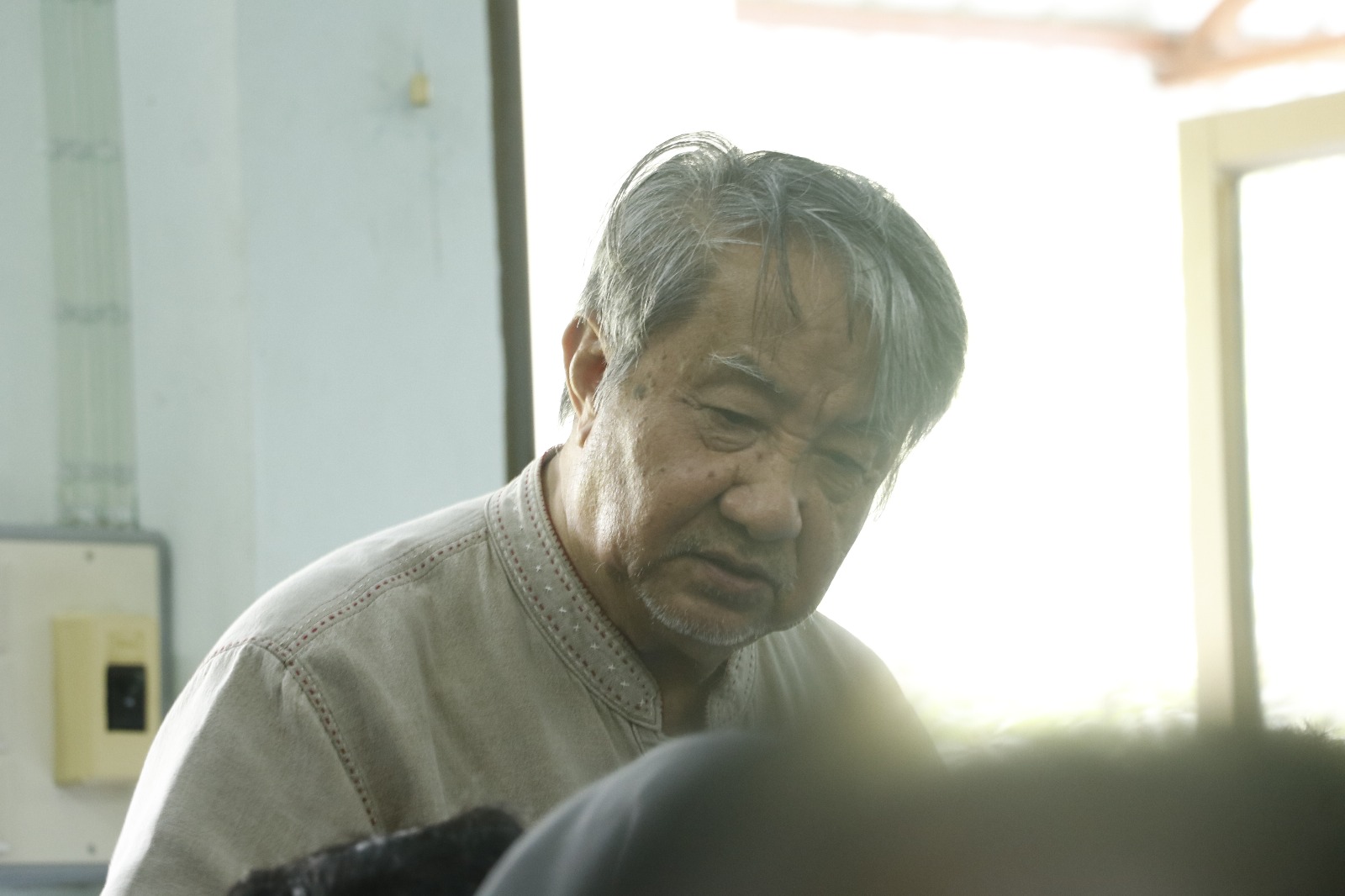
Fr. Niphot, who has worked for over 50 years with the Karen people in northern Thailand, said leadership in the Church must rise from within Indigenous communities rather than be imposed by external structures.
The program follows an observe–meditate–act methodology adapted from the see–judge–act framework.
According to Fr. Albeiro Rodas, SDB, training director of ROOTS, observation means “engaging with the community and listening deeply,” meditation involves “discerning and reflecting through cultural immersion,” and action refers to “designing concrete community-based projects.”
The training began in May with online modules featuring inputs from Fr. George Plathottam (India), Dr. Emil Ibera (Philippines), and Dr. Victor Karunan (Thailand).
Topics included Indigenous identity, theological inculturation, research methodology, and the climate crisis facing Indigenous youth—challenges that closely align with the pastoral priorities of the Church’s synodal journey and the ecological conversion urged in Laudato Si’.
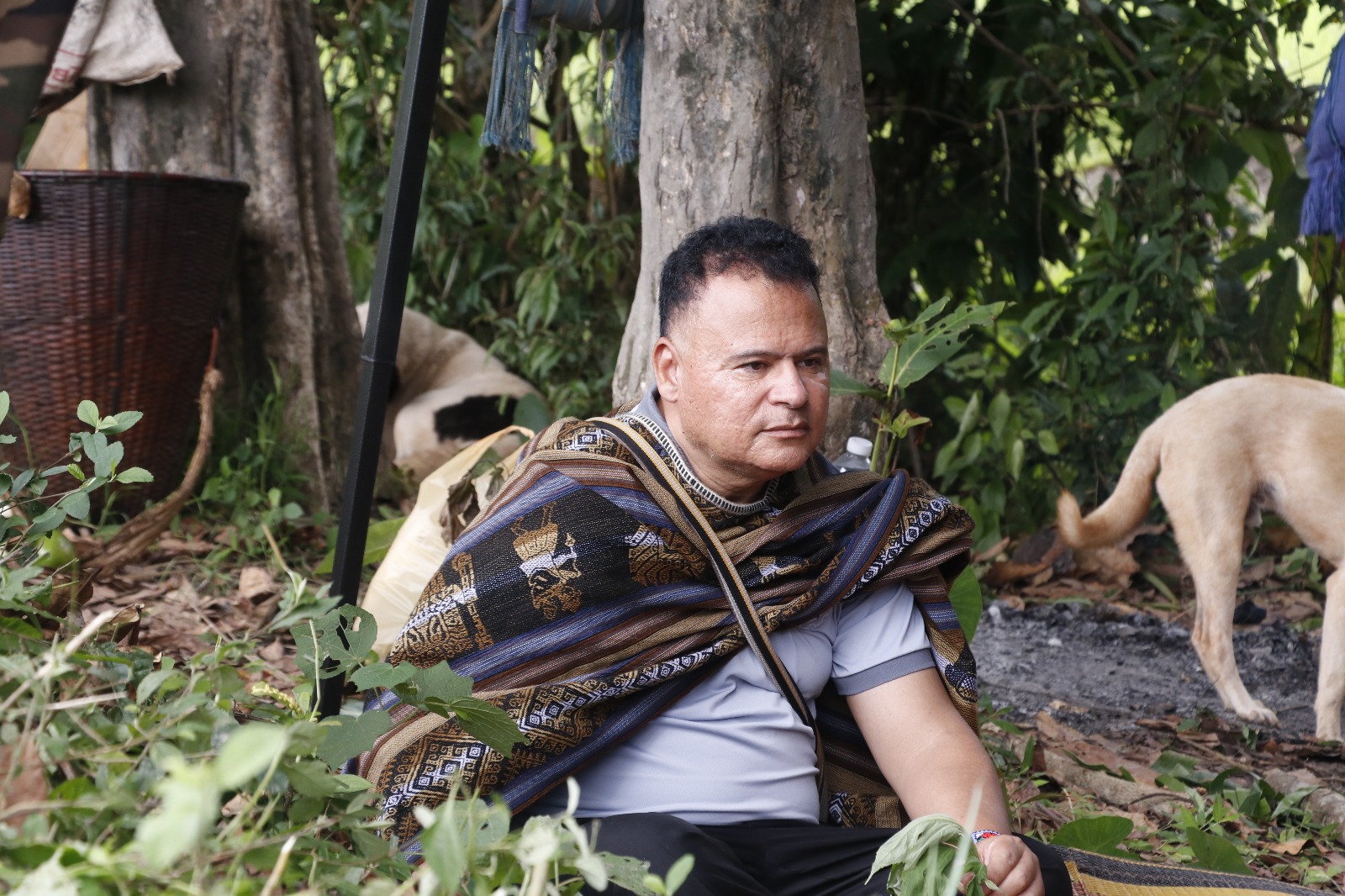
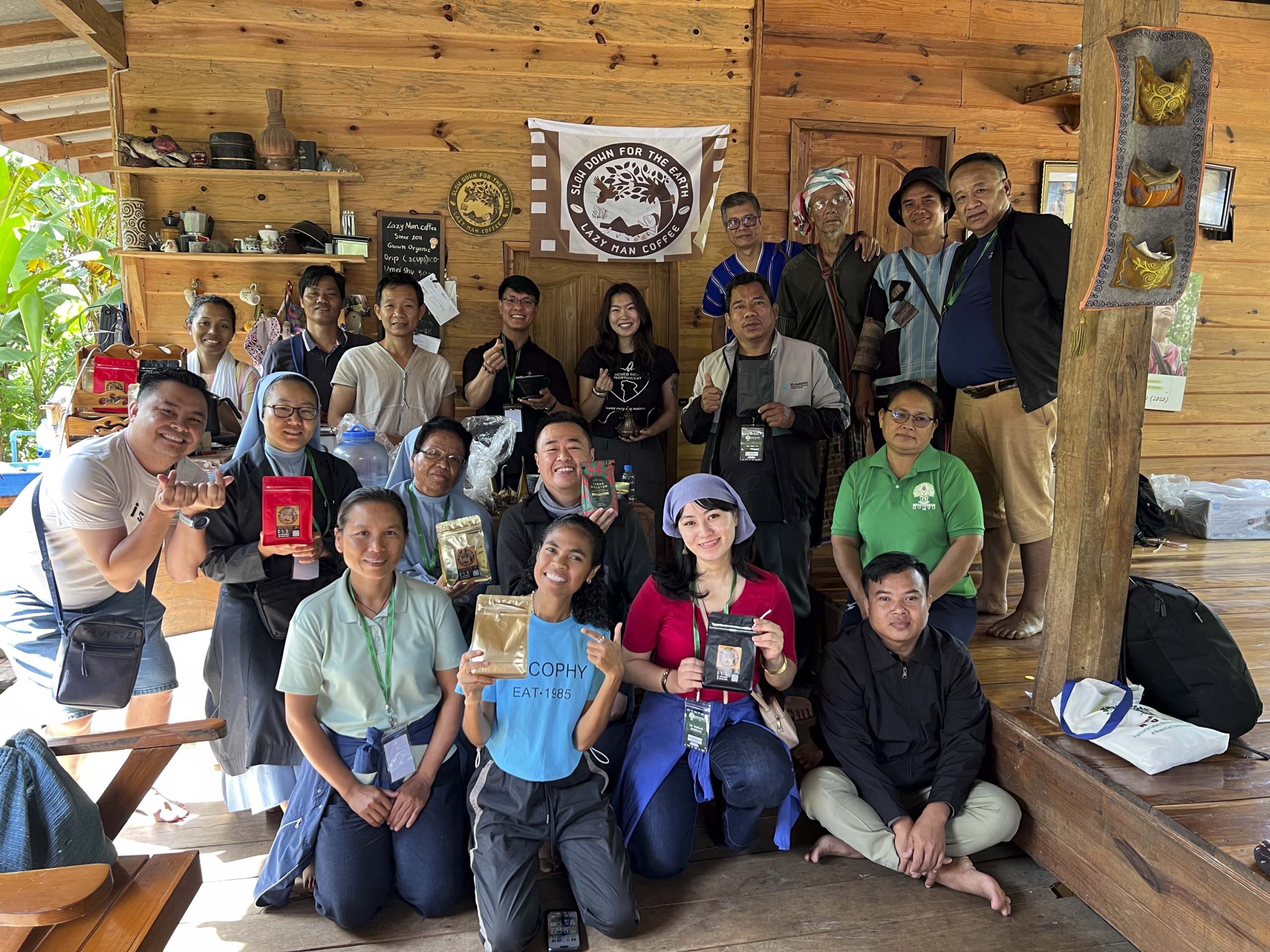
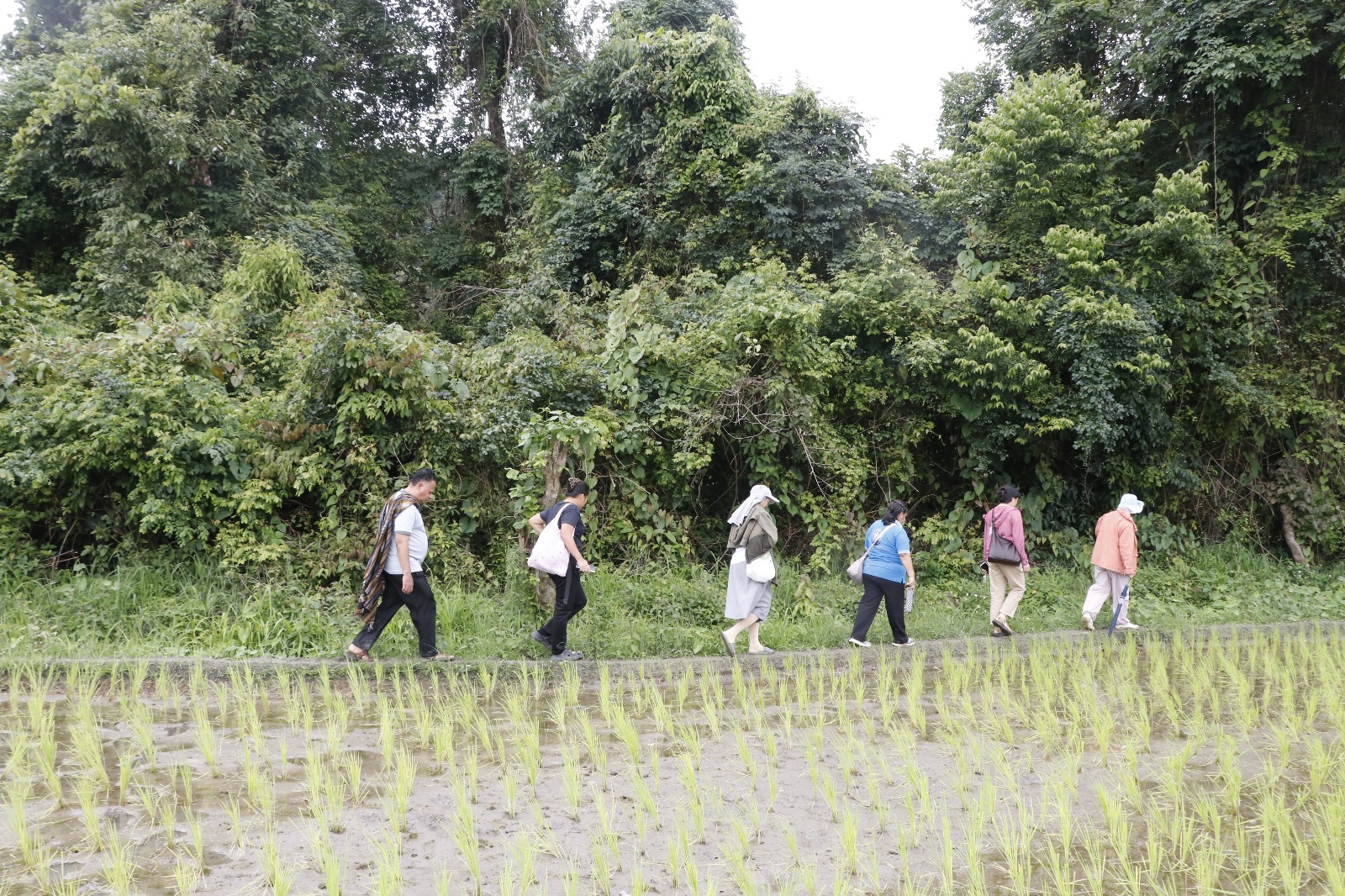
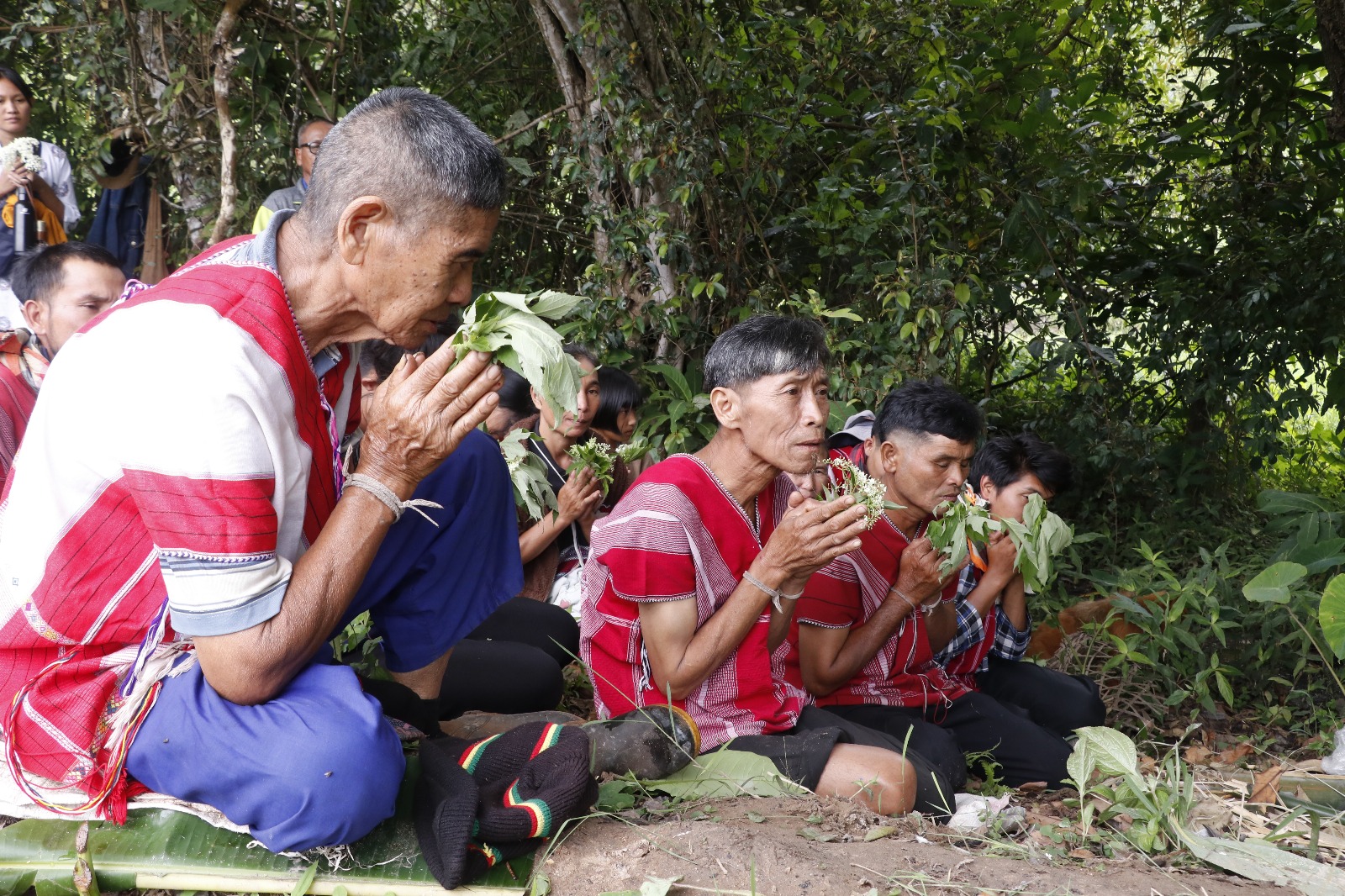
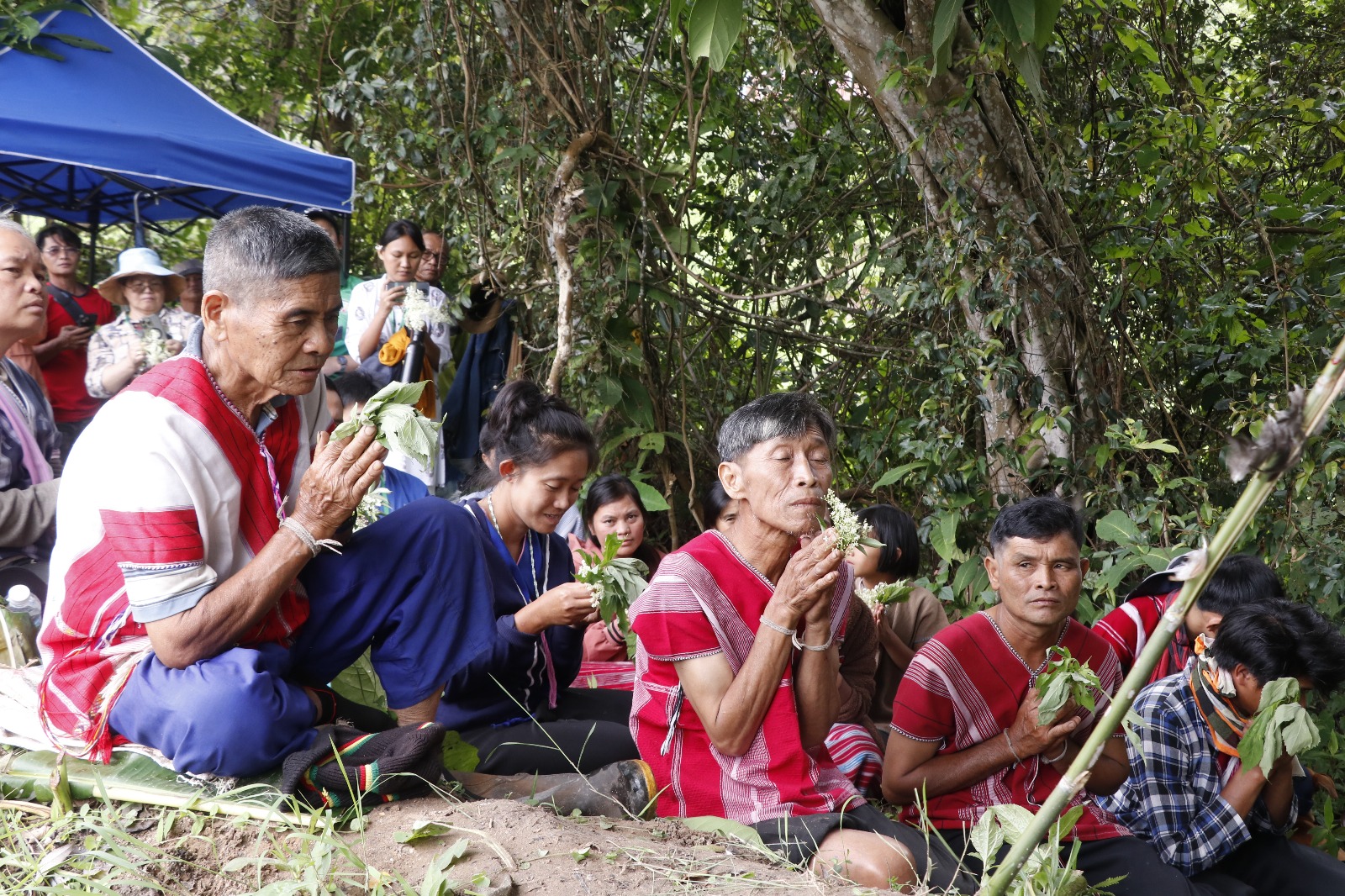
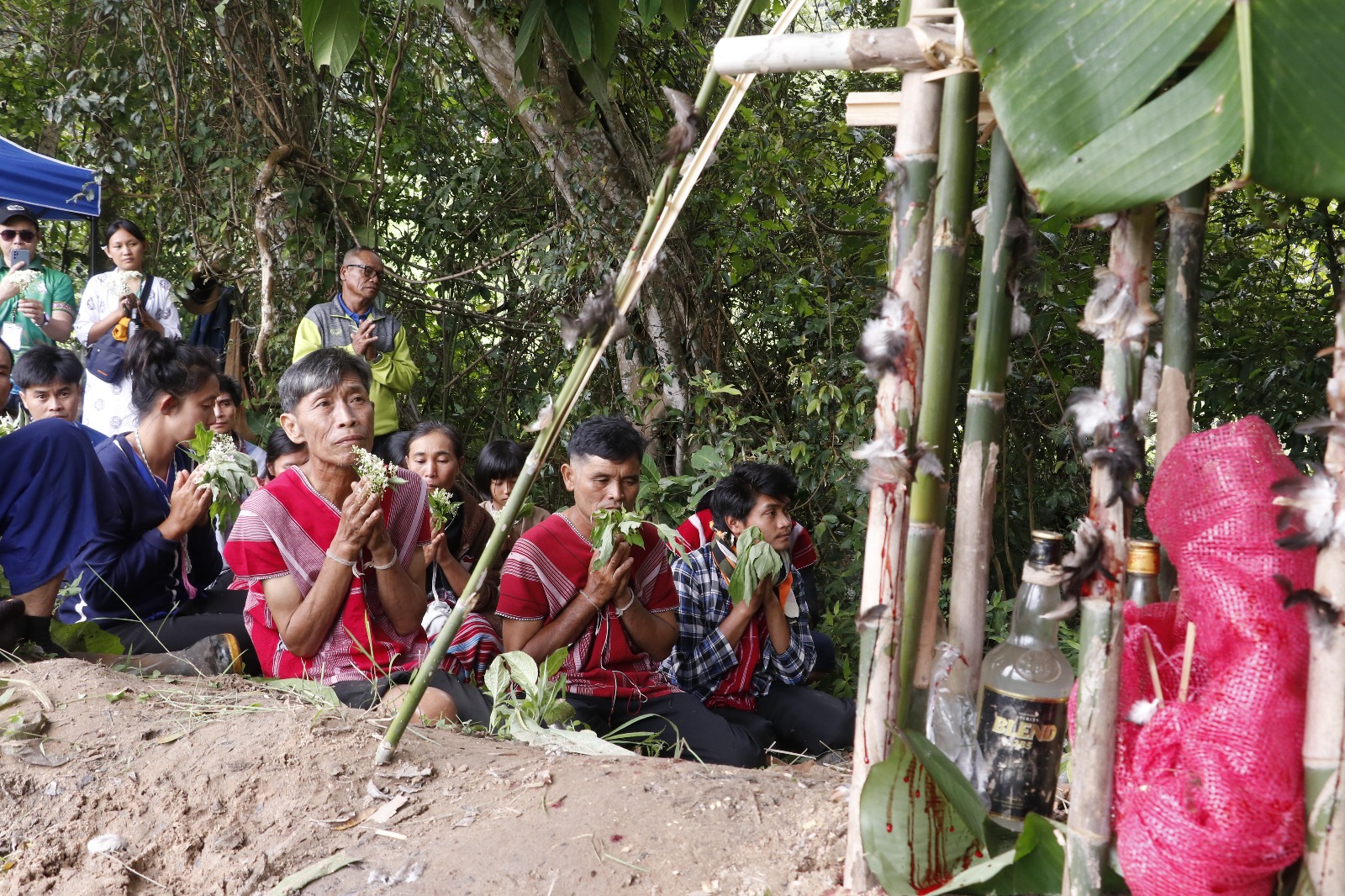
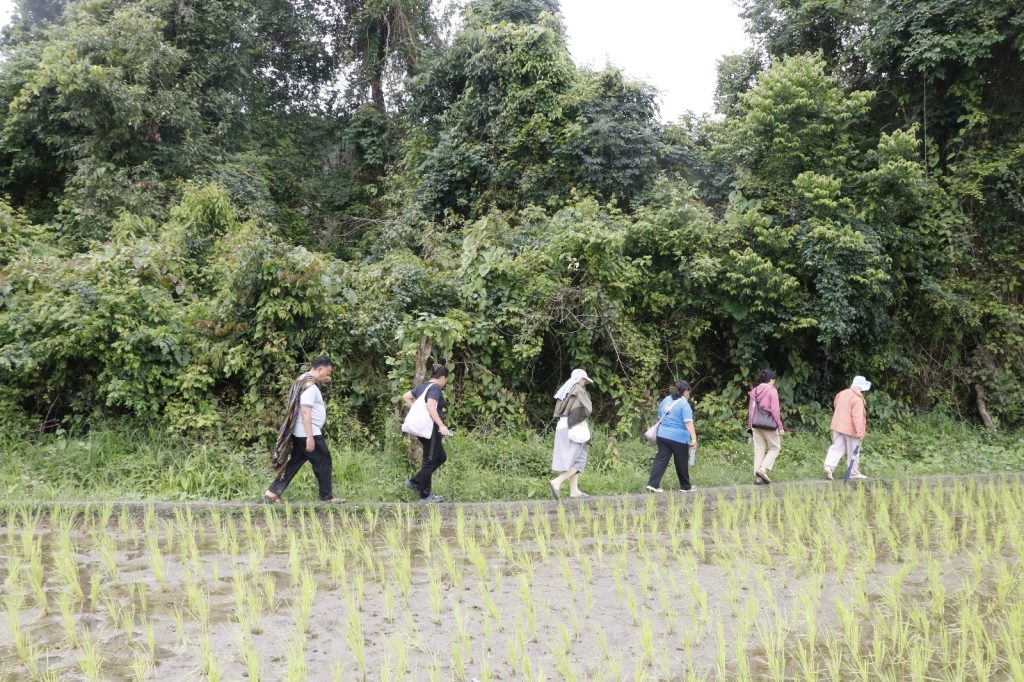
The in-person phase included exchanges and literal field visits to Karen villages, highlighting community efforts in sustainable living and cultural preservation.
A final stage involving follow-up modules and local initiatives will complete the formation, with participants recognized as Organic Intellectuals (OIs) in their communities.
This training by ROOTS is the latest of many initiatives that grew from the Circle of Sacred Rice movement, which promotes ancestral spirituality, integral ecology, and Indigenous theological reflection across Asia.
Organizers said the program builds regional solidarity and reinforces the Church’s mission to walk with Indigenous peoples—honoring their wisdom, amplifying their voices, and making room for the sensus fidelium to shape a more inclusive and prophetic Church.